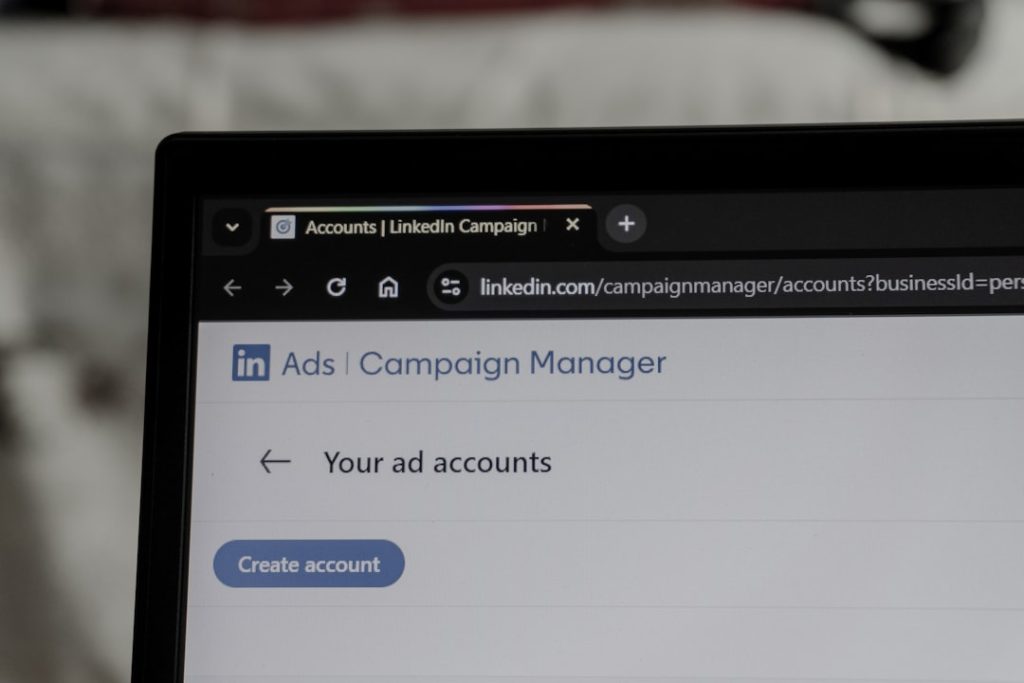
Are you spending thousands on digital advertising but struggling to convert clicks into customers? Conversion optimization for ads is the strategic process of refining every element of your paid campaigns—from landing pages to ad copy—to maximize the percentage of visitors who take your desired action. In this comprehensive guide, we’ll show you exactly how to boost your ad conversion rates, reduce your cost per acquisition, and reclaim the marketing budget that’s currently being wasted on underperforming campaigns.
Whether you’re running Google Ads, Facebook campaigns, LinkedIn outreach, or any other paid platform, the principles of conversion optimization remain consistent. The difference between a mediocre campaign and a highly profitable one often comes down to systematic testing and strategic refinement.
Why Conversion Optimization for Ads Is Critical to Your Marketing Success
Many businesses obsess over click-through rates (CTR) and cost per click (CPC) without realizing these metrics tell only half the story. A campaign with a high CTR but low conversion rate is essentially attracting unqualified traffic—visitors who click but never buy. Facebook Pixel Setup And Usage Guide: Lay The Foundation For High-Performing Ad Campaigns
The true measure of advertising success is how many of those clicks actually convert into leads, customers, or revenue. Conversion rate optimization (CRO) focuses directly on this bottom-line metric, making it the most important discipline in modern digital marketing. Seo Content Strategy: How To Plan Blog Posts That Actually Drive Organic Traffic
The difference between clicks and conversions
Getting someone to click your ad is just the beginning. A click represents initial interest, but it doesn’t mean the visitor is ready to take action.
A conversion occurs when that visitor completes your desired goal—whether it’s making a purchase, filling out a form, downloading a resource, or signing up for a trial. For example, an e-commerce store might get 1,000 clicks but only 10 conversions (a 1% conversion rate), while a competitor with 500 clicks might achieve 50 conversions (a 10% conversion rate).
The second company is getting twice the results from half the traffic. This is the power of conversion optimization for ads.
How poor ad conversion rates drain your marketing budget
Let’s look at a concrete example. Suppose you’re spending $2,000 per month on ads and averaging a 2% conversion rate with a customer lifetime value (CLV) of $500.
- Monthly spend: $2,000
- Monthly conversions: 200 clicks × 2% = 4 customers
- Revenue generated: 4 × $500 = $2,000
- Return on ad spend (ROAS): 1:1 (breaking even)
Now imagine you optimize your campaigns to a 5% conversion rate. Your results transform dramatically:
- Monthly spend: $2,000 (same)
- Monthly conversions: 200 clicks × 5% = 10 customers
- Revenue generated: 10 × $500 = $5,000
- Return on ad spend (ROAS): 2.5:1 (profitable)
A 150% improvement in conversion rate turns a break-even campaign into a highly profitable one. This is why ad conversion optimization should be a top priority for any business running paid advertising.
Real-world impact: What optimization can achieve for your business
According to Unbounce’s CRO research, businesses that implement systematic conversion optimization see average improvement of 10-15% per test cycle. Over the course of a year with monthly testing, this compounds into exponential gains.
We’ve worked with dozens of clients who went from struggling campaigns to industry-leading performance through dedicated conversion optimization. One SaaS company improved their ad conversion rate from 1.2% to 4.8% in six months, reducing their cost per acquisition from $450 to $120 while simultaneously increasing customer quality and retention rates.
“The difference between good marketing and great marketing isn’t spending more money—it’s optimizing what you already have. A 50% improvement in conversion rates is worth more than doubling your ad spend.” — Industry Best Practice from Successful Campaigns
Understanding Your Current Ad Conversion Performance
Before you can improve your conversion optimization for ads, you need to understand where you currently stand. Many marketers lack visibility into their true performance metrics, making it impossible to identify opportunities for improvement.

The good news is that modern advertising platforms provide rich data about your campaign performance. The challenge is knowing which metrics matter most and how to calculate your true conversion rate accurately.
Key metrics you need to track beyond click-through rates
Click-through rate (CTR) measures what percentage of people who see your ad actually click it. While useful, CTR is a vanity metric that doesn’t tell you whether those clicks lead to business results.
The metrics that actually matter for conversion optimization are:
- Conversion rate (CR) — The percentage of clicks that result in conversions. This is your primary success metric.
- Cost per conversion (CPC or CPA) — How much you spend in advertising to acquire one customer. This determines profitability.
- Cost per lead (CPL) — For businesses where the conversion is a lead rather than a sale. Helps you forecast sales pipeline.
- Return on ad spend (ROAS) — Revenue generated divided by advertising cost. Directly measures profitability.
- Quality score (Google Ads) — Affects your ad placement and cost. Reflects ad relevance and landing page quality.
- Engagement rate — For social ads, measures likes, comments, shares relative to impressions. Indicates content relevance.
- View-through rate (VTR) — For video ads, measures what percentage complete the video. Important for brand building.
Track all these metrics consistently so you can identify trends and opportunities for improvement in your conversion optimization efforts.
How to calculate your true conversion rate and cost per conversion
Your conversion rate formula is simple: (Total Conversions ÷ Total Clicks) × 100 = Conversion Rate %
If your campaign received 1,000 clicks last month and generated 25 conversions, your conversion rate is 2.5%. However, you must ensure your tracking is accurate.
Many marketers undercount conversions by not tracking all conversion types (purchases, leads, signups, downloads) or by missing conversions that happen days after the click due to improper attribution windows. Ensure your conversion pixel fires correctly and your attribution window matches your actual customer buying cycle.
Cost per conversion is equally straightforward: Total Ad Spend ÷ Total Conversions = Cost per Conversion. If you spent $1,000 and got 25 conversions, your CPC is $40 per conversion.
Benchmarking your ads against industry standards
Knowing your conversion rate is only meaningful when compared to industry benchmarks. A 2% conversion rate might be excellent for B2B software but poor for e-commerce.
WordStream’s industry benchmark data shows typical conversion rates vary significantly by industry:
- E-commerce: 1-3% (average 2.5%)
- B2B software: 2-5% (average 3.5%)
- Lead generation: 3-7% (average 5%)
- Retail: 1-4% (average 2%)
- Finance: 2-6% (average 4%)
Use these benchmarks to set realistic targets for your conversion optimization initiatives. If you’re below your industry average, there’s clear opportunity for improvement through systematic optimization.
Landing Page Optimization: The Foundation of Ad Conversion Success
Your ad gets the click, but your landing page closes the sale. This is where conversion optimization for ads becomes tangible and measurable.

The most common mistake businesses make is sending ad traffic to generic homepage or product pages. A dedicated landing page specifically designed to match your ad promise dramatically improves conversion rates.
Creating landing pages that match your ad promise
Message match is the principle that every element of your landing page should reinforce what your ad promised. If your ad headline says “Save 50% on Enterprise Plans,” your landing page headline should reiterate this exact offer.
When there’s a disconnect between ad messaging and landing page content, visitors immediately lose trust and leave. This wastes your advertising investment and inflates your bounce rate.
Best practices for ad-to-page alignment include:
- Repeat your ad headline as the landing page headline (or close variant)
- Use the same visual style and color scheme as your ad
- Lead with the specific benefit mentioned in your ad
- Include only relevant conversion elements—remove navigation and distracting links
- Maintain the same tone and voice throughout
Reducing friction in your conversion funnel
Friction refers to any element that makes the conversion process more difficult. Every additional form field, page load, or step you add reduces your conversion rate.
A/B testing shows that multi-step forms convert better than single-page forms, but only if each step reduces overall friction. A form asking for email address on step 1, phone on step 2, and company on step 3 often converts better than one massive form.
Key friction-reducing tactics for conversion optimization in ads:
- Minimize form fields to only essential information
- Use smart form fields that auto-populate data when possible
- Display progress indicators for multi-step forms
- Offer single-click options (guest checkout, social login)
- Provide clear security assurances for payment information
- Use progress bars to show how close visitors are to completion
Mobile-first design for ad traffic
Over 60% of ad clicks now come from mobile devices, yet most landing pages are still designed with desktop as the primary experience. This is a critical mistake in conversion optimization for ads.
Mobile users have different needs and behaviors: smaller screens, slower connections, higher bounce rates, and shorter attention spans. Your landing page must be optimized specifically for this audience.
Mobile optimization checklist:
- Responsive design that works perfectly on all screen sizes
- Touch-friendly buttons that are at least 44×44 pixels
- Fast page load speed (under 3 seconds on 4G)
- Simplified navigation with clear call-to-action above the fold
- Mobile-optimized forms with large input fields
- No intrusive pop-ups that block content
| Landing Page Element | Desktop Impact on Conversion | Mobile Impact on Conversion | Optimization Priority |
|---|---|---|---|
| Page Load Speed | +5% per 1 second improvement | +10% per 1 second improvement | Critical |
| Form Length | -5% per additional field | -15% per additional field | Critical |
| Call-to-Action Above Fold | +20% visibility impact | +40% visibility impact | High |
| Trust Signals (Reviews, Logos) | +8% conversion lift | +12% conversion lift | High |
| Video Content | +20% engagement | +15% engagement (if optimized) | Medium |
Ad Copy and Creative Elements That Drive Conversions
Your ad creative is the first impression that determines whether someone clicks. In conversion optimization for ads, creative quality directly impacts both the quantity and quality of traffic you receive.
High-quality creative attracts genuinely interested prospects, while poor creative attracts bargain hunters and browsers who waste your ad spend. The goal is to use your creative to self-select your ideal customers.
Writing compelling headlines that convert browsers into leads
Your headline is the most important element of your ad. It must grab attention, communicate your core benefit, and compel clicks from qualified prospects.
The best headlines follow this formula: Benefit + Specificity + Uniqueness = Click. “Save 50% on Enterprise Plans” beats “Save Money on Software” because it includes all three elements.
Proven headline patterns for conversion optimization include:
- “[Number] Ways to [Achieve Desired Outcome]” — Educational, curiosity-driven
- “Get [Specific Result] in [Timeframe]” — Promise with timeline, urgency-based
- “[Adjective] Guide to [Problem Solution]” — Authority and helpful positioning
- “Free [Resource] + [Bonus]” — Removes barrier to entry, incentive clear
- “Join [Number] [Target Audience] Who [Achieve Results]” — Social proof, community
Value propositions that resonate with your target audience
Your value proposition is why someone should choose you over competitors. It must be specific, believable, and aligned with what your target audience actually cares about.
Generic value propositions like “industry-leading solutions” waste ad spend. Specific propositions like “Save 15 hours per week with automated reporting” directly appeal to your prospect’s needs and concerns.
To craft compelling value propositions for ad conversion optimization:
- Research your target audience’s top pain points and desires
- Identify what makes your solution genuinely different
- Quantify benefits whenever possible (time saved, money earned, stress reduced)
- Test multiple value propositions to see which resonates most
- Match your value proposition to each audience segment
Using social proof and urgency in ad messaging
Social proof (testimonials, user counts, reviews) and urgency (limited time offers, scarcity) are powerful psychological triggers for conversion. They should appear both in your ads and on your landing pages.
Examples of effective social proof in ad copy:
- “Join 50,000+ businesses using our platform”
- “4.9-star rating from 2,000+ customers”
- “Recommended by industry leaders at Google, Microsoft, and Slack”
- “$2.5M in client revenue saved this year”
Urgency tactics that drive conversion optimization results:
- “Limited time: 50% off ends Friday”
- “Only 3 spots remaining in our program”
- “Register now for early-bird pricing”
- “Free trial expires in 7 days”
Testing different creative formats for maximum impact
Different ad formats work better for different audiences and objectives. Video ads achieve higher engagement, carousel ads showcase multiple products, and static image ads often deliver the best cost per conversion for straightforward offers.
A systematic approach to creative format testing involves selecting one format to test at a time, running it for sufficient duration to gather statistical significance, and comparing performance against your control. This prevents confusion and ensures you can identify what works.
Test sequence recommendation: Static images → Headlines/Copy variants → Video → Carousel → Dynamic products.
Advanced Audience Targeting Strategies for Better Quality Conversions
Targeting is the often-overlooked foundation of conversion optimization for ads. You can have perfect ad copy and landing pages, but if you’re showing your ads to the wrong people, your conversion rate will suffer.
High-intent audiences—people actively searching for solutions or recently demonstrating interest—convert 2-3x better than broad audiences. Your targeting strategy should prioritize reaching these qualified prospects.
Segmentation techniques to reach high-intent prospects
Rather than running one campaign to “everyone,” segment your audience into distinct groups with tailored messaging. A prospect searching for “invoice software” is in a different mindset than someone searching for “how to manage invoicing.”
Effective audience segmentation methods include:
- Search intent based — Create separate ad groups/campaigns for high-intent search terms versus informational terms
- Demographic based — Target ads differently to decision-makers versus users
- Behavioral based — Show conversion-focused ads to site visitors, brand-building ads to cold audiences
- Stage-based — Early-stage awareness campaigns versus late-stage consideration campaigns
- Company-based — B2B: Target ads to specific company sizes, industries, or decision-makers
Each segment should have its own messaging tailored to that audience’s specific needs and concerns. This dramatically improves conversion rates versus one-size-fits-all campaigns.
Lookalike and custom audience strategies
Lookalike audiences (Facebook, LinkedIn, Google) find people similar to your best existing customers. These audiences typically convert 2-5x better than cold audiences because they share characteristics with proven converters.
To create high-converting lookalike audiences:
- Use your best customers as the seed audience—those with highest lifetime value, retention, and satisfaction
- Test different lookalike similarity percentages (1% = most similar, 10% = broader)
- Create separate lookalikes from different source audiences (customers vs. website visitors vs. email subscribers)
- Refresh your seed audience quarterly to reflect recent high-converting customers
Custom audiences (retargeting lists) of your existing visitors provide another high-conversion opportunity. People who’ve already visited your site convert at 10-50x the rate of cold traffic.
Excluding low-converting audience segments
Negative audience targeting is as important as positive targeting. If certain demographics, interests, or behaviors consistently fail to convert, exclude them from your paid campaigns.
For example, if your data shows students have a 0.1% conversion rate while professionals have a 3% conversion rate, exclude students. This directs your budget toward qualified prospects and improves your overall conversion rate and ROAS.
Behavioral targeting to improve qualification rates
Behavioral data—how someone has acted on your site and others—indicates buying intent. Someone who visited your pricing page five times is more qualified than someone who viewed your blog once.
Behavioral targeting strategies for conversion optimization in ads:
- Create custom audiences of site visitors who viewed pricing/product pages
- Target audiences that have engaged with your retargeting ads (indicating interest)
- Use in-market audiences (Google) who are actively researching your solution category
- Implement progressive audience qualification—start broad, then show conversion ads only to engaged visitors
A/B Testing Framework for Systematic Ad Conversion Improvements
Conversion optimization for ads isn’t a one-time effort—it’s a continuous process of testing, learning, and improving. The most successful advertisers run systematic A/B tests every week or month to incrementally improve performance.
However, testing without a framework wastes time and produces unreliable results. You need a structured approach to identify winning changes and understand why they work.
What elements to test and in what order
Not all elements have equal impact on conversion rates. Prioritize testing elements that affect the most visitors or have the largest potential impact.
Testing priority order for maximum conversion optimization:
- Landing page offer/CTA — Changes the value proposition. Potential impact: ±30%
- Form length and fields — Removes conversion friction. Potential impact: ±20%
- Page load speed — Affects bounce rate. Potential impact: ±15%
- Ad headline and copy — Changes who clicks and their expectations. Potential impact: ±10%
- CTA button color and size — Improves button visibility. Potential impact: ±5%
- Audience targeting — Changes traffic quality. Potential impact: ±25%
Start with high-impact elements before testing minor variations. A 20% improvement from form optimization beats a 5% improvement from button color every time.
Determining statistical significance in your test results
A test showing a 10% improvement might be due to luck rather than a real change if your sample size is too small. Statistical significance ensures your results are reliable and reproducible.
To achieve 95% confidence (the standard in most industries), you need sufficient volume. If your conversion rate is 2% and you want to detect a 25% relative improvement (2% to 2.5%), you need approximately 2,000 conversions per variation.
Test duration guidance:
- High-volume campaigns (1,000+ conversions/month): Test for 1-2 weeks
- Medium-volume campaigns (100-1,000 conversions/month): Test for 4-8 weeks
- Low-volume campaigns (less than 100 conversions/month): Test for 8+ weeks or combine results across months
Running sequential tests vs. multivariate testing
Sequential testing (changing one element at a time) is ideal for most conversion optimization scenarios. It’s easier to understand which change caused the improvement, and it’s faster than multivariate testing.
Multivariate testing (changing multiple elements simultaneously) requires much larger sample sizes but can identify interaction effects between variables. For most advertisers, sequential testing produces better results faster.
“The best way to optimize your ads is not to change everything at once, but to test one critical element at a time, measure the impact carefully, and implement winners before moving to the next test. This systematic approach compounds into substantial improvements over time.”
Documenting and scaling winning tests
Maintain a test log documenting every A/B test you run: the element tested, sample size, results, statistical significance, and key learnings. This prevents you from re-testing the same variations and builds institutional knowledge about what works in your market.
When a test wins, immediately implement it and make it your new baseline. Then identify the next element to test. This continuous improvement process—sometimes called the “optimization flywheel”—compounds into exponential performance gains over time.
Platform-Specific Conversion Optimization Tactics
Each advertising platform has unique features and best practices for conversion optimization for ads. A tactic that works brilliantly on Google Ads might fail on Facebook, and vice versa.
Understanding platform-specific conversion optimization improves your results on each channel.
Google Ads conversion optimization features and best practices
Google Ads offers several powerful features specifically designed for conversion optimization. Smart Bidding (Target CPA, Target ROAS, Maximize Conversions) uses machine learning to automatically optimize bids toward your conversion goals.
Best practices for Google Ads conversion optimization:
- Use conversion-tracking setup and verify it’s working correctly
- Implement enhanced conversions for more accurate measurement
- Use automated bidding (Target CPA/ROAS) once you have 30+ conversions/month
- Create separate campaigns for different conversion types (leads vs. purchases)
- Use ad customizers to personalize headlines with keywords or location
- Implement responsive search ads and test multiple headline combinations
- Optimize landing pages for Quality Score (impacts cost and placement)
Facebook and Instagram ad optimization for e-commerce and leads
Facebook’s conversion optimization for ads centers on audience quality, creative testing, and proper pixel setup. The Facebook pixel is critical—it tracks conversions and enables retargeting.
Facebook/Instagram conversion optimization tactics:
- Install and verify your Facebook pixel is firing on all conversion events
- Use automatic audience selection (ABO) with conversion objective selected
- Test creative variations (video, carousel, single image) systematically
- Run collection ads (for e-commerce) to show products directly in the ad
- Use lookalike audiences of your best customers
- Implement catalog ads if you have product inventory
- Test different placements (feed, stories, reels) and budgets based on performance
LinkedIn conversion strategies for B2B advertising
LinkedIn is the B2B powerhouse where high-intent decision-makers congregate. Conversion optimization on LinkedIn requires different targeting and messaging than B2C platforms.
LinkedIn conversion optimization best practices:
- Target by job title, job function, and seniority level—not just company size
- Use LinkedIn Lead Gen Forms (pre-filled) for frictionless lead capture
- Create account-based marketing campaigns targeting specific companies
- Test messaging that addresses buyer pain points and business outcomes
- Use carousel ads to showcase different value propositions
- Retarget website visitors with conversion-focused messaging
- Track conversion value based on deal size for accurate ROI measurement
Native ads and programmatic advertising optimization
Native advertising (content-like ads that blend with editorial) achieves higher click-through rates and often better conversion rates than display ads because they’re less intrusive.
Programmatic advertising uses algorithms to automatically buy ad inventory, optimizing for conversion performance. Both require quality creative and targeting to succeed.
Native and programmatic optimization tips:
- Create native ads that match the platform’s editorial style and tone
- Use compelling headlines that generate curiosity without being misleading
- Ensure landing pages align with the native ad promise
- Optimize for viewability (in-view time) on programmatic inventory
- Use conversion tracking to identify which ad networks drive best results
Conversion Attribution and Understanding Your Customer Journey
Understanding which ads actually drive conversions—not just clicks—is essential for conversion optimization. However, customer journeys are complex, with multiple touchpoints before purchase.
Attribution modeling solves this problem by assigning credit for conversions to the ads and channels that influenced the purchase. Using the right model gives you accurate insights for optimization decisions.
Multi-touch attribution models for accurate ROI measurement
Different attribution models assign credit differently:
- Last-click attribution — Gives 100% credit to the last ad clicked before conversion. Favors retargeting ads, often undervalues awareness campaigns.
- First-click attribution — Gives 100% credit to the first ad that brought the visitor. Favors brand awareness, often undervalues conversion ads.
- Linear attribution — Divides credit equally across all touchpoints. Fair but doesn’t reflect true impact.
- Time-decay attribution — Gives more credit to ads closer to conversion. Reflects that recent interaction matters most.
- Data-driven attribution — Uses machine learning to assign credit based on actual conversion patterns. Most accurate for optimization.
The best model depends on your business, but data-driven attribution provides the most accurate conversion optimization insights when you have sufficient data.
How to identify which ads drive actual revenue
Conversion tracking must go beyond leads to actual revenue. A lead that never converts to a customer wastes your marketing budget.
Implementation requirements for accurate conversion tracking:
- Track all conversion events (add to cart, purchase, form submit)
- For e-commerce: Track purchase value, not just conversions
- For B2B: Connect CRM data to show which ads drive closed deals
- Set appropriate attribution window (time between click and conversion) based on your sales cycle
- Monitor conversion quality—don’t treat low-value leads equally to high-value prospects
Implementing proper conversion tracking and pixel setup
Correct pixel setup is non-negotiable for conversion optimization. Without accurate conversion data, you can’t measure success or optimize effectively.
Pixel setup checklist for ad conversion optimization:
- Install platform pixels (Google, Facebook, LinkedIn, etc.) on all pages
- Test that pixels fire correctly on conversion pages
- Configure all conversion event types you want to track
- Set conversion values for e-commerce transactions
- Implement cross-domain tracking if your funnel spans multiple domains
- Use UTM parameters to track campaign, source, and medium
- Verify data consistency between ad platform reports and Google Analytics
Quick Wins: Immediate Changes to Boost Your Ad Conversions
While systematic optimization compounds over time, certain changes deliver immediate improvements. These quick wins often take hours to implement but can lift conversion rates 5-15%.
If your budget is tight or you need fast results, start with these highest-impact changes.
Optimizing your call-to-action buttons and placement
Your call-to-action (CTA) button is the most important conversion element on your landing page. A high-friction CTA placement, unclear copy, or poor design can cut your conversion rate in half.
CTA optimization tips:
- Place your CTA above the fold (visible without scrolling) on mobile
- Use action-oriented copy (“Get Access Now” beats “Submit”)
- Make buttons large enough (at least 44×44 pixels) and visually distinct
- Use contrasting colors that stand out from page background
- Include urgency language: “Get Started Free Today” vs. “Learn More”
- Repeat your CTA multiple times down the page for longer forms
Improving page load speed to reduce bounce rates
Page speed is a direct conversion factor. Every 1-second delay in page load time reduces conversions by approximately 7%. For mobile users, the impact is even greater.
Fast optimization for conversion optimization:
- Compress images and use modern formats (WebP)
- Minify CSS and JavaScript
- Enable browser caching
- Use a Content Delivery Network (CDN) to serve content faster globally
- Lazy-load images below the fold
- Reduce server response time
Use tools like Google PageSpeed Insights or GTmetrix to identify specific slowdowns and prioritize fixes.
Streamlining checkout and form processes
Every form field you require adds friction and reduces conversions. Streamlined forms capture only essential information upfront, potentially collecting additional details later.
Form optimization for conversion improvement:
- Reduce form fields to three or fewer for maximum conversions
- Use progressive forms (one field at a time) for better UX
- Remove phone number requirements if not essential
- Implement single-page checkout instead of multiple steps
- Offer guest checkout without account creation
- Use clear error messages for validation failures
Implementing retargeting campaigns for lost prospects
About 98% of first-time website visitors leave without converting. Retargeting campaigns show ads to these warm prospects, reminding them of your value and encouraging return visits.
Retargeting is one of the highest-ROI advertising tactics because you’re reaching people already interested in your solution.
Retargeting strategy for conversion optimization:
- Segment retargeting audiences by behavior (viewed pricing, abandoned cart, product page visitors)
- Show different ads to different segments (pricing visitors get cost-focused messaging)
- Use dynamic product ads for e-commerce to retarget specific products viewed
- Set frequency caps (show ads max 3-5 times per day) to avoid annoying prospects
- Create separate retargeting campaigns with conversion messaging
- Exclude converters from retargeting campaigns to avoid wasted impressions
Building a Sustainable Conversion Optimization Program
One-off optimization efforts produce one-off results. Sustainable improvement requires building a continuous optimization culture with processes, tools, and accountability.
Successful companies view conversion optimization as an ongoing business practice, not a one-time project.
Creating an optimization roadmap aligned with business goals
Your optimization roadmap should directly support business objectives. If your goal is to reduce customer acquisition cost, your roadmap focuses on conversion rate improvements and audience targeting.
Roadmap creation process:
- Define business goals (revenue growth, customer volume, profitability)
- Identify optimization opportunities (high-volume, high-impact elements first)
- Estimate potential impact and implementation effort for each opportunity
- Prioritize: pursue high-impact, low-effort opportunities first
- Assign owners and set quarterly targets
- Review and adjust quarterly based on results and new learnings
Establishing regular testing cycles and learning processes
The most successful optimization programs run systematic testing cycles—weekly, biweekly, or monthly depending on traffic volume. Each cycle tests one element, learns from results, and implements winners.
Testing cycle process:
- Week 1: Hypothesis and test planning
- Weeks 2-4: Run test with sufficient sample size
- Week 5: Analyze results and document learnings
- Week 6: Implement winner or explore new hypothesis
Document everything in a testing log so your organization builds knowledge over time. After 12 months of monthly testing with 10-15% average improvements, you’ll have doubled your conversion rate.
Tools and resources for scaling your optimization efforts
Modern tools make conversion optimization easier and more systematic. Essential tools include:
- A/B testing platforms (Optimizely, VWO, Convert) for landing page experiments
- Analytics tools (Google Analytics, Mixpanel) for understanding user behavior
- Heatmapping (Hotjar, Crazy Egg) to see how users interact with pages
- Form analytics (Typeform, Gravity Forms) to optimize data collection
- Recording tools (Session recordings) to watch user interactions
- Survey tools (Qualtrics, SurveyMonkey) to gather user feedback
Start optimizing your ads today and reclaim your marketing budget
Conversion optimization for ads isn’t just a nice-to-have—it’s essential for profitable advertising. Every dollar spent without optimization is a dollar wasted on unqualified traffic and missed conversions.
The opportunity is clear: implement the strategies in this guide, start testing systematically, and watch your conversion rates improve. Most advertisers see 10-25% improvements within three months, and continued testing leads to 50-100% improvements within a year.
Your marketing budget is an investment that should deliver returns. With proper conversion optimization, it will.
Ready to transform your advertising performance? Start with one quick win today—optimize your CTA button, streamline your form, or implement retargeting. Then move to systematic testing and watch your results multiply.
This content is powered by RankFlow AI — visit aiboostedbusiness.eu for more expert marketing resources and AI-driven business optimization strategies.
Frequently Asked Questions About Ad Conversion Optimization
What is the average conversion rate for digital ads, and how do I know if mine is good?
Average conversion rates vary significantly by industry, but most digital ads convert at 1-5%. E-commerce averages 2-3%, B2B software 3-5%, and lead generation 5-7%.
To evaluate your conversion rate, benchmark against your industry average. If you’re below average, optimization offers clear opportunity. If you’re above average, focus on sustaining and incrementally improving that advantage.
How long should I run an ad before deciding it’s not converting well?
Never make optimization decisions based on small sample sizes. Run tests until you reach statistical significance, which typically requires 100-500 conversions depending on your conversion rate.
For a 2% conversion rate campaign, you need approximately 2,500 clicks (200 impressions × 2%) to gather 50 conversions—minimum for basic confidence. This typically takes 1-4 weeks for active campaigns.
Can I improve conversions without increasing my ad spend?
Absolutely. Conversion optimization for ads often produces 10-30% improvement with zero additional spending. You’re simply getting more conversions from the same budget through better targeting, creative, landing pages, and testing.
In fact, optimization is usually more cost-effective than spending more on ads. A 50% conversion rate improvement costs less than doubling your budget but produces better results.
What’s the most common mistake businesses make with ad conversion optimization?
The most common mistake is testing too many elements simultaneously and not collecting sufficient data. Businesses change headlines, landing pages, audiences, and offers all at once, then wonder why they can’t identify what actually worked.
The second most common mistake is focusing on clicks instead of conversions. Getting more clicks is easy—just bid higher. Converting those clicks into customers is the real challenge, and that’s where conversion optimization for ads delivers true business value.
How do I know if my landing page conversion rate is competitive?
Landing page conversion rates typically range from 2-10% depending on offer, traffic source, and industry. High-intent traffic (from search or lookalike audiences) converts at the higher end. Cold traffic converts at the lower end.
If your landing page converts below 2%, there’s clear optimization opportunity. If it converts above 5%, you’re doing well but can still improve incrementally through systematic testing and refinement.