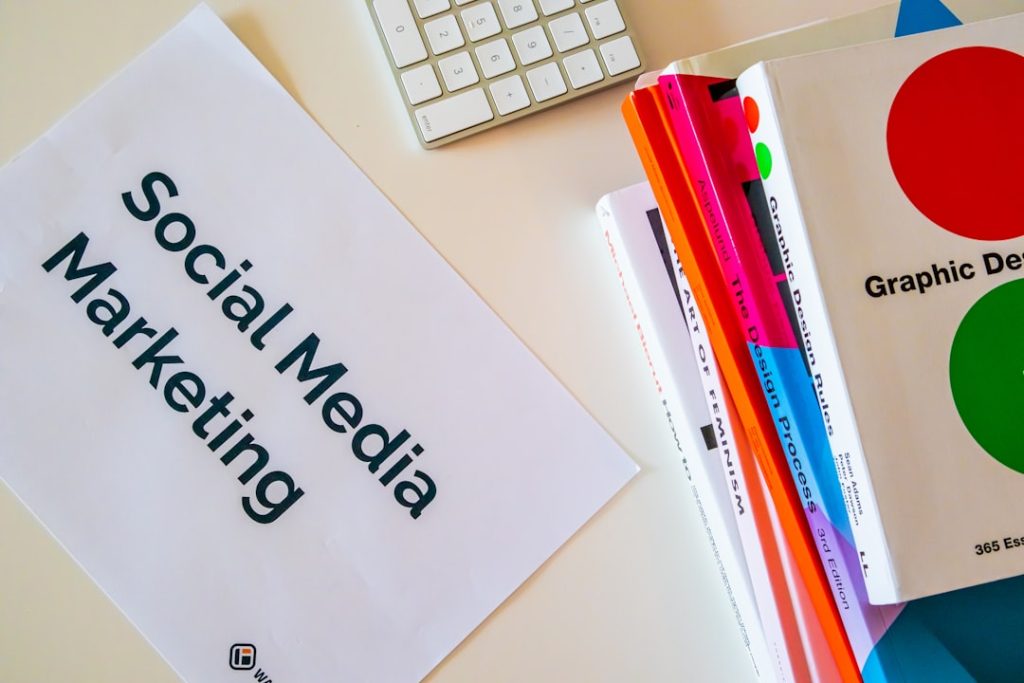
In today’s digital landscape, a social media strategy for small businesses: a step-by-step guide from scratch isn’t just helpful—it’s essential for survival. Small business owners often struggle with where to start when building their online presence, unsure which platforms to use, what content to create, or how to measure success. This comprehensive guide will walk you through every stage of developing a powerful social media strategy, from defining your goals to optimizing your efforts based on real data.
Why Small Businesses Can’t Ignore Social Media Anymore
The days when small businesses could rely solely on word-of-mouth marketing and local advertising are long gone. Social media has fundamentally transformed how consumers discover, research, and purchase products or services.
The Shift in Consumer Behavior and Where Your Customers Spend Their Time
According to recent research, over 4.7 billion people worldwide use social media, spending an average of 2 hours and 20 minutes per day on these platforms. Your potential customers are scrolling through Instagram, engaging on Facebook, watching TikTok videos, and networking on LinkedIn every single day. Search Engine Optimization Basics
This shift in consumer behavior means that if you’re not present on social media, you’re essentially invisible to a massive portion of your target market. Customers now expect businesses to have a social media presence where they can learn about products, read reviews, and contact support. Reduce Advertising Costs With Ai
How Social Media Levels the Playing Field Against Larger Competitors
One of the most exciting aspects of social media for small businesses is that it democratizes marketing. Unlike traditional advertising, which favors companies with massive budgets, social media rewards creativity, authenticity, and genuine engagement.
A small business with a compelling story, consistent posting schedule, and engaged community can outperform a large corporation with a neglected social media account. Your size is actually an advantage—you can be more nimble, responsive, and personal than bigger players.
Real ROI Expectations: What Small Businesses Actually Achieve
When implementing a social media strategy for small businesses, realistic expectations matter tremendously. Most small businesses see meaningful results within 3-6 months of consistent effort, though some metrics appear faster than others.
- Brand awareness typically increases within the first 4-8 weeks
- Engagement rates often stabilize after 2-3 months of consistent posting
- Lead generation and sales conversions typically take 3-6 months to become significant
- Customer retention benefits compound over 6-12 months
The key is understanding that social media success is a marathon, not a sprint. Small businesses that commit to long-term strategy see the highest ROI.
Define Your Social Media Goals and Key Performance Indicators
Before you post a single piece of content, you need absolute clarity on what you’re trying to achieve. Vague goals like “grow our presence” won’t cut it—you need specific, measurable objectives that align with your overall business strategy.

Setting SMART Goals That Align With Your Overall Business Objectives
SMART goals are Specific, Measurable, Achievable, Relevant, and Time-bound. Rather than saying “increase engagement,” a SMART goal would be “increase average engagement rate from 2% to 4% within 90 days by posting 4 times per week and responding to comments within 2 hours.”
Your social media goals should directly support your broader business objectives. If your primary goal is lead generation, your social strategy should focus on driving qualified traffic to your website or contact forms. If you’re focused on brand building, your strategy should emphasize storytelling and community development.
Examples of SMART social media goals for small businesses include:
- Gain 500 new followers per month on Instagram for the next 6 months
- Increase website clicks from social media by 150% within 90 days
- Generate 20 qualified leads per month through Facebook ads
- Improve customer response time to under 2 hours on all platforms
- Build a community of 5,000 engaged followers within 12 months
Choosing the Right KPIs to Measure: Engagement vs. Reach vs. Conversions
Key Performance Indicators (KPIs) are the metrics you’ll track to determine whether your strategy is working. Different goals require different KPIs, and the most important ones depend on your business model.
Engagement metrics (likes, comments, shares, saves) indicate how much your audience resonates with your content. Reach metrics (impressions, audience growth) show how many people see your content. Conversion metrics (clicks, sign-ups, purchases, phone calls) demonstrate actual business results.
Most small businesses benefit from tracking a balanced mix of all three. Vanity metrics like follower count matter less than actionable metrics that show real business impact.
Establishing Realistic Timelines and Benchmarks for Your Small Business
Industry benchmarks vary widely by platform and industry, but here’s what typical small businesses can expect: Facebook engagement rates average 1-3%, Instagram averages 1-5%, and TikTok can reach 5-15% for new creators with quality content.
When setting benchmarks, compare yourself to similar businesses in your industry, not to global mega-brands. A local service business will have different realistic metrics than a B2B SaaS company or an e-commerce retailer.
Know Your Audience: Building Detailed Buyer Personas for Social Media
You cannot create a successful social media strategy for small businesses without deeply understanding who you’re trying to reach. Generic content for “everyone” resonates with no one. You need specific, detailed buyer personas that guide every content decision you make.

Conducting Market Research to Understand Your Ideal Customer
Start by analyzing your existing customer base. Look at demographics (age, location, income), psychographics (values, interests, lifestyle), and behavior patterns (purchase frequency, average order value, communication preferences).
Use surveys, interviews, and observation to gather this information. Ask your existing customers what problems you solve for them, where they discover you, and what content they find most valuable. Review your Google Analytics and social media insights to see who’s already engaging with your content.
You should also examine where your customers spend time online, what other brands they follow, and what topics they engage with. This intelligence is gold for developing your content strategy.
Analyzing Competitor Audiences and Identifying Gaps in the Market
Study 5-10 competitors in your space, both direct competitors and adjacent businesses serving similar audiences. Look at who’s following them, what content gets the most engagement, and what their audience is saying in comments.
This competitive analysis often reveals gaps—topics your competitors ignore, formats they don’t use, platforms where they’re underrepresented. These gaps represent opportunities for your small business to differentiate itself and capture attention.
Creating Actionable Buyer Personas That Guide Content Decisions
Once you’ve gathered research, create 2-4 detailed buyer personas. Each persona should have a name, demographic details, goals, pain points, preferred content formats, and social media platforms they use.
For example, a B2B service provider might create personas like “Corporate Claire” (a busy director wanting efficiency solutions) and “Startup Steve” (an entrepreneur seeking cost-effective options). Each persona guides different content strategies, messaging angles, and platform choices.
Return to these personas constantly as you develop content. Every post, campaign, and strategic decision should serve at least one of your primary personas. This focus ensures your social media strategy stays relevant and effective.
Select the Right Social Media Platforms for Maximum Impact
One of the biggest mistakes small businesses make is trying to maintain an active presence on every social media platform simultaneously. This approach dilutes your effort, exhausts your resources, and typically yields poor results across the board.
Platform Comparison: Facebook, Instagram, TikTok, LinkedIn, and Twitter for Small Business
Each platform serves different purposes and reaches different audiences. Understanding these differences is crucial for platform selection in your social media strategy for small businesses.
| Platform | Best For | Audience Age | Content Type | Best For Small Business |
|---|---|---|---|---|
| Community building, local business, diverse demographics | 25-65+ | Posts, videos, events, community groups | Yes – largest reach, powerful ads, local targeting | |
| Visual brands, lifestyle, product-focused businesses | 18-40 | Photos, reels, stories, carousel posts | Yes – excellent for product showcase, high engagement | |
| TikTok | Entertainment, viral content, younger demographics | 13-35 | Short-form videos, trends, behind-the-scenes | Selective – high reach potential but requires commitment |
| B2B, professional services, thought leadership | 25-65 | Articles, professional updates, industry insights | Yes – if B2B focused, excellent for lead gen | |
| Twitter/X | News, real-time engagement, customer service | 18-49 | Short text posts, news sharing, conversations | Selective – good for customer service, niche B2B |
Why Trying to Be Everywhere at Once Is a Mistake
The most successful small businesses focus their effort on 2-3 platforms where their audience actually spends time. This concentrated approach allows for higher-quality content, more consistent posting, and genuine community engagement.
It’s far better to have 5,000 engaged followers on one platform than 20,000 inactive followers spread across five platforms. Quality engagement trumps vanity metrics every single time.
A practical approach: identify your primary platform (where most of your audience is), your secondary platform (where you can grow influence), and potentially a tertiary platform for testing and experimentation. Master these before expanding.
Platform-Specific Features That Benefit Small Business Growth
Beyond basic posting, each platform offers features specifically designed to help businesses succeed. Facebook’s local business features help customers find your physical location and hours. Instagram’s shopping features let you sell directly from posts.
LinkedIn’s creator mode transforms your profile into a content hub. TikTok’s creator fund and brand partnerships offer monetization opportunities. Understanding and leveraging these platform-specific features gives you competitive advantages without additional budget.
Develop Your Brand Voice and Content Pillars Strategy
Your brand voice is how your business “sounds” on social media. It’s the personality, tone, and values that distinguish your content from everyone else’s. Without a consistent brand voice, your social media strategy for small businesses will feel scattered and inauthentic.
Creating a Consistent Brand Voice That Resonates With Your Audience
Your brand voice should reflect who you actually are as a business, not who you think you should be. If your company culture is serious and professional, don’t pretend to be a comedic content creator. Authenticity is your greatest asset.
Define your brand voice by considering: your core values, your personality traits, how you want customers to feel about your brand, and how you naturally communicate. Document these as brand voice guidelines so every team member stays consistent.
Some brands are warm and approachable, others are authoritative and expert-focused, still others are playful and irreverent. There’s no “right” voice—only the voice that’s authentic to your business and resonates with your audience.
Identifying 3-5 Content Pillars That Showcase Your Expertise
Content pillars are the main themes or topics your content consistently covers. Rather than random posts about whatever seems trendy, content pillars give structure and strategy to your social media presence.
For a digital marketing agency, content pillars might be: industry trends, case studies, tips and tricks, team culture, and client spotlights. For a health and wellness brand, pillars might be: nutrition education, workout tips, mental health, client transformations, and product spotlights.
These 3-5 pillars should align with your business model and buyer personas. They ensure your content feels cohesive while providing variety that keeps followers interested.
Balancing Promotional Content With Educational and Entertaining Posts
A critical mistake small businesses make is using social media purely for promotion. The “80/20 rule” suggests that 80% of your content should educate or entertain your audience, while only 20% directly promotes your products or services.
This balance builds trust and keeps followers engaged without feeling sold to constantly. Educational content positions you as a helpful expert, entertaining content makes followers want to stay, and occasional promotional content then feels natural rather than pushy.
“Your brand voice should be authentic to who you are, not a copy of competitors. The most successful small businesses on social media are those that let their genuine personality shine through every post.”
Create a Content Calendar and Posting Schedule That Works
Consistency is perhaps the single most important factor in social media success. A content calendar transforms social media from a chaotic, time-consuming daily scramble into a manageable, strategic activity that fits your schedule.
Planning Content 4-6 Weeks in Advance Without Overwhelming Yourself
Planning 4-6 weeks ahead might seem ambitious, but it’s the sweet spot for small businesses. It’s far enough in advance to be strategic, yet close enough to adjust for trending topics and real-time events.
Start by blocking out major dates: holidays, industry events, product launches, and seasonal moments. Then map your content pillars across these dates, ensuring variety and balance across the month.
Use a simple spreadsheet, Google Calendar, or dedicated tools like Buffer, Later, or Hootsuite to organize your content calendar. The specific tool matters less than having a system that you’ll actually use consistently.
Optimal Posting Frequency for Each Social Platform
The ideal posting frequency varies significantly by platform and audience, but here are general guidelines for small businesses:
- Facebook: 1-2 posts per day (or 4-8 per week); quality matters more than quantity
- Instagram: 4-7 posts per week; reels drive higher engagement than static posts
- TikTok: 3-5 posts per week minimum; consistency matters more than frequency
- LinkedIn: 2-4 posts per week for company pages; daily activity for personal profiles
- Twitter/X: 5-10 tweets per day if actively engaged; quality conversations trump broadcasting
Start with the lower end of these ranges and increase if you have the bandwidth. Overcommitting and then becoming inconsistent damages your credibility far more than posting less frequently with high quality.
Tools and Systems to Automate Scheduling While Maintaining Authenticity
Scheduling tools allow you to batch-create content and maintain consistency without being glued to your phone. Most major platforms have built-in scheduling features, and third-party tools offer additional benefits.
However, automation shouldn’t mean your content feels robotic or that you’re absent from your community. Use scheduling for planned posts, but dedicate time each day to genuine engagement: responding to comments, joining conversations, and posting spontaneous, timely content.
Staying Flexible for Real-Time Engagement and Trending Topics
While a content calendar provides structure, flexibility allows you to capitalize on unexpected opportunities. If something relevant to your industry trends, and you can create quality content around it quickly, do it.
Real-time engagement also means responding to comments, messages, and community discussion as they happen. This human touch is what transforms followers into actual community members and customers.
Master the Fundamentals of Content Creation for Social Media
Creating content that stops the scroll, captures attention, and drives action is the core skill of any successful social media strategy for small businesses. Fortunately, these fundamentals are learnable regardless of your artistic or writing abilities.
Writing Captions That Stop the Scroll and Drive Action
On social media, captions are just as important as visuals. A compelling caption makes people stop scrolling, read your message, and take action.
Effective captions typically follow this pattern: start with a hook (a question, surprising statement, or relatable observation), provide value or context in the middle, and end with a clear call-to-action. Keep language conversational—write like you’re talking to a friend, not giving a corporate presentation.
Strong captions also use line breaks to improve readability. Dense text blocks get skipped; broken-up text invites engagement. Emojis add visual interest and personality, but use them deliberately, not excessively.
Visual Guidelines: Image Sizes, Video Length, and Design Best Practices
Each platform has technical specifications that optimize how your visuals appear. While these change occasionally, a few core principles remain constant:
- Use consistent colors and fonts that reflect your brand identity
- Ensure text is large and readable on mobile screens
- Keep videos between 15-60 seconds for maximum completion rates
- Use high-quality images—blurry or low-res content damages credibility
- Test different formats: carousel posts, video reels, stories, and static images
If design feels outside your skill set, tools like Canva offer templates that look professional without requiring design expertise. Consistency matters more than perfection.
User-Generated Content Strategies That Build Community Trust
User-generated content (UGC) is content created by your customers, not by you. This might be customer testimonials, product photos, reviews, or mentions of your business. UGC is incredibly powerful because it’s authentic proof that real people love what you do.
Encourage UGC by creating hashtags for your brand, running contests or challenges, asking customers to share their experiences, and featuring customer content on your official channels. Always ask permission before reposting customer content, and give proper credit.
Hashtag Research and Strategy Specific to Your Niche
Hashtags extend your reach by making your content discoverable to people who aren’t currently following you. However, hashtag strategy differs by platform and requires research rather than just guessing.
Use a mix of hashtag sizes: some very popular hashtags (100k+ posts), some medium hashtags (10k-100k posts), and some niche hashtags specific to your industry (under 10k posts). Popular hashtags get more visibility but your post gets buried quickly; niche hashtags have less volume but better target fit.
Research what hashtags your audience and competitors use, then test different combinations to see what drives engagement. Tools like Hashtagify or your platform’s native search function help identify relevant hashtags.
Build Engagement and Community Without Breaking Your Budget
Engagement is the currency of social media success. Comments, shares, and meaningful interactions signal to the platform that your content matters, which helps it reach more people. The best part? Building genuine engagement costs nothing except time and intentionality.
How to Respond to Comments and Messages Strategically
Every comment is an opportunity to deepen relationships and signal to the algorithm that your content is engaging. Response time matters significantly—replying within the first hour of a comment impacts both the algorithm and how valued the commenter feels.
Go beyond simple “thanks” replies. Ask questions, provide additional value, or continue the conversation. This demonstrates genuine engagement rather than corporate automation.
Establish a response protocol: decide which messages need personal responses versus template replies, set realistic response time expectations, and designate who’s responsible for monitoring different platforms. For small teams, this might mean dedicating 30 minutes in the morning and evening to community management.
Creating Conversation Starters and Interactive Content Formats
Interactive content generates far more engagement than one-way broadcasting. Polls, questions, quizzes, and challenges invite participation. “What’s your biggest challenge with [relevant topic]?” generates comments. “Like if you agree, comment with your experience” creates engagement.
Different content formats naturally drive interaction: stories with polls or questions, carousel posts that prompt debate, reels that inspire sharing, and live videos that allow real-time conversation.
Test different formats consistently and note which ones your audience responds to. Your community preferences should guide your format strategy.
Leveraging Micro-Influencers and Partnerships for Small Budgets
Micro-influencers (10k-100k followers) are far more cost-effective than mega-influencers and often have more engaged audiences. For small businesses, collaborating with 3-5 micro-influencers often outperforms a single paid partnership with a larger creator.
Look for influencers whose audience aligns with your buyer personas and whose values reflect your brand. Authentic partnerships feel natural and perform better than forced sponsorships.
You don’t always need budget for influencer partnerships. Many creators are willing to collaborate for free products, affiliate commissions, or cross-promotion opportunities.
Free Tools and Features That Maximize Organic Reach
Every platform offers features specifically designed to maximize organic reach if you know how to use them:
- Instagram Reels and TikTok videos get priority distribution over static posts
- Stories allow you to reach followers without cluttering feeds
- Facebook Groups create dedicated communities and higher engagement
- LinkedIn Creator Mode unlocks additional distribution and analytics
- Stories, polls, and quizzes activate notification features that amplify reach
Many small businesses ignore these free features in favor of paid advertising. Start by mastering organic reach—it’s often more sustainable long-term.
Implement Paid Social Media Advertising to Accelerate Growth
Organic reach has limits. At some point in your social media strategy for small businesses, paid advertising becomes a practical investment. The good news is that even small budgets can yield impressive results when executed strategically.
Setting Up Your First Facebook and Instagram Ads With Limited Budget
Facebook and Instagram advertising through Meta’s platform is ideal for small businesses because it allows micro-targeting and incredibly low minimum budgets. You can start with just $5-10 per day and scale gradually as you learn what works.
Begin with a clear conversion goal: website visits, lead form submissions, or sales. Don’t start with vague awareness campaigns; focus on measurable actions.
Create a separate ad account and establish a budget you’re comfortable testing with (even $150-300/month is enough to generate learning data). Start with a single campaign and a single audience before expanding.
Targeting Strategies That Reach Your Ideal Customer Without Overspending
Targeting is where paid social media strategy succeeds or fails for small businesses. Rather than showing your ad to millions of broadly-interested people, you show it to the specific people most likely to buy.
Build audiences based on your buyer personas: age, location, interests, behaviors, and job titles. Create lookalike audiences based on your best customers. Start narrow rather than broad—a smaller, more targeted audience typically yields better results and lower costs.
Exclude audiences that are wasting your budget (people who already bought from you, people outside your service area, or competitors). This improves efficiency significantly.
Testing and Optimizing Ads to Improve ROI Month Over Month
Your first ads likely won’t be perfect. The key is systematic testing and optimization. Change one variable at a time (image, copy, targeting, or offer) and measure results carefully.
Let ads run for at least 3-5 days before making judgments. Social media algorithms need time to optimize delivery. After sufficient data, identify your best-performing ads and scale them while pausing underperformers.
Calculate your cost per result (purchase, lead, or conversion) and compare it to your profit margins. If you’re profitably acquiring customers, increase your budget. If you’re losing money, refine your targeting or creative before increasing spend.
Common Mistakes Small Businesses Make With Paid Social Media
Many small business owners leave money on the table because of preventable mistakes. Understanding these errors helps you avoid them:
- Starting too broad with targeting instead of focusing on specific, high-intent audiences
- Not having conversion tracking set up properly before running ads
- Changing ads too frequently before they have time to optimize
- Using low-quality images or poorly written copy that doesn’t match platform conventions
- Running ads without a clear offer or call-to-action
- Not calculating actual ROI, just focusing on vanity metrics like impressions
Measure Results and Optimize Your Strategy for Continuous Improvement
Data is the lifeblood of a successful social media strategy for small businesses. Without measuring what’s working, you’re just guessing. With data, you can systematically improve results month after month.
Using Native Analytics Tools to Track What’s Working
Every major platform provides built-in analytics. Instagram Insights, Facebook Analytics, LinkedIn Analytics, and Twitter Analytics all provide crucial data about your audience and content performance.
Key metrics to monitor include: reach (how many people see your content), engagement rate (what percentage of people who see it interact), click-through rate (how many click your links), and conversion rate (how many take your desired action).
Most small businesses benefit from creating a simple monthly analytics report. This doesn’t need to be complex—a spreadsheet tracking key metrics over time reveals patterns and progress.
Monthly and Quarterly Reviews: Creating a Rhythm for Strategy Optimization
Schedule monthly reviews where you examine data, identify patterns, and make small adjustments. Quarterly reviews (every three months) assess bigger-picture strategy and make more substantial changes.
In monthly reviews, ask: Which content types performed best? Which platforms drove the most valuable engagement? Where are we losing followers or engagement? What topics did the audience respond to most?
In quarterly reviews, ask: Are we on track to reach our annual goals? What assumptions were wrong? What new opportunities have emerged? Should we adjust our platform focus, content pillars, or target audience?
Adjusting Your Approach Based on Data, Not Just Intuition
Intuition matters, but data matters more. You might love a type of content your audience doesn’t actually engage with. You might assume one platform is best when another performs better.
Let data guide your decisions while maintaining strategic flexibility. If your audience prefers video reels over carousel posts, create more reels even if you prefer carousels. Their preferences pay your bills, not the other way around.
Scaling What Works and Eliminating What Doesn’t
Once you identify what’s working—specific content types, posting times, formats, or audiences—invest more energy there. If educational posts drive 40% of your engagement while promotional posts drive 10%, shift your content mix accordingly.
Simultaneously, have the discipline to eliminate what isn’t working. If you’ve given a platform honest effort for 3 months and it’s not delivering results, it’s okay to pause it and reallocate energy to better-performing channels.
This principle of continuous optimization keeps your social media strategy for small businesses lean, efficient, and increasingly effective over time.
Your Action Plan: Next Steps to Launch Your Social Media Strategy Today
Understanding strategy is one thing; implementation is another. Here’s what to do right now to get your social media strategy live and producing results.
The 30-Day Quickstart Checklist for Getting Your Strategy Live
Don’t wait for perfection. Here’s what you can realistically accomplish in 30 days:
- Define your top 2-3 social media goals and KPIs (Day 1-2)
- Create 2-3 detailed buyer personas based on your best customers (Day 3-4)
- Choose your primary 2-3 platforms based on where your audience is (Day 5)
- Document your brand voice guidelines and content pillars (Day 6-7)
- Create your first month’s content calendar with 4 weeks of planned posts (Day 8-12)
- Create or gather visual assets (photos, graphics, or video) (Day 13-18)
- Write captions and schedule posts for the first 2 weeks (Day 19-22)
- Set up basic analytics tracking and analytics reporting (Day 23-24)
- Go live with your content strategy on chosen platforms (Day 25)
- Establish response protocols and begin community engagement (Day 26-30)
This timeline is ambitious but achievable. You don’t need everything perfect—you need something started that you can improve from.
Common Pitfalls to Avoid in Your First 90 Days
New social media strategies often fail because of preventable mistakes. Avoid these common pitfalls:
- Expecting results too quickly and abandoning strategy before it has time to work
- Being inconsistent with posting and then wondering why nothing’s working
- Trying to maintain presence on too many platforms simultaneously
- Posting promotional content without building genuine relationship first
- Ignoring comments and messages, creating one-way broadcasting rather than conversation
- Copying competitors instead of developing your authentic brand voice
- Not tracking metrics or analyzing what’s actually working
The most successful small businesses accept that the first 90 days are about building foundation and developing rhythm, not dramatic results.
Building Momentum and Staying Consistent When Results Feel Slow
Social media success feels slow until suddenly it’s not. Followers trickle in until you hit a tipping point. Engagement feels nonexistent until one post suddenly resonates and everything changes.
The difference between small businesses that succeed on social media and those that fail is consistency through the slow period. This is where systems matter—if your content calendar, posting schedule, and community management are automated and habitual, you stay consistent even when motivation wanes.
Celebrate small wins along the way: your first comment, your first 100 followers, your first message from someone interested in your product. These milestones fuel momentum that carries you through slower periods.
Frequently Asked Questions About Social Media Strategy for Small Businesses
How Long Does It Take to See Results From a Social Media Strategy?
This depends entirely on what results you’re measuring. Brand awareness and follower growth typically appear within 4-8 weeks of consistent effort. Engagement metrics (likes, comments, shares) usually stabilize within 2-3 months. Meaningful lead generation and sales conversions typically require 3-6 months of sustained effort.
The key is maintaining consistent effort during this ramp-up period. Small businesses that expect results in 2-3 weeks often give up right before they would have seen breakthrough success.
What’s the Minimum Budget I Need to Succeed With Social Media?
You can absolutely build a successful organic social media presence with zero paid budget. Many small businesses start entirely with organic content and engagement. However, paid advertising can accelerate results significantly.
If you want to include paid social media, a realistic minimum is $150-300 per month to gather meaningful data. This allows you to test different audiences, creative approaches, and offers. Below this, you won’t generate enough learning data to optimize effectively.
The most important investment is time, not money. Most small businesses benefit more from consistent daily engagement than from budget spent on ads run inconsistently.
Should I Hire a Social Media Manager or Do It Myself?
For many small businesses, especially those just starting out, managing social media yourself makes sense. You know your business best and can ensure authentic brand voice. In-house management typically costs your time, which has real value but no cash outflow.
As your business grows, delegating to a part-time contractor or dedicated employee becomes practical. You might hire someone for 10-15 hours per week, which typically costs $1,000-2,500 per month depending on your location and market rates.
The decision should consider: your available time, your comfort with social media, your budget, and your growth goals. There’s no universal “right” answer.
How Do I Handle Negative Comments and Criticism on Social Media?
Negative comments are inevitable as your audience grows. Your response matters tremendously—it demonstrates your values to everyone watching the conversation.
For constructive criticism, respond professionally and helpfully. For genuine complaints, take them seriously and try to solve the problem. For trolls or off-topic rudeness, you can delete or ignore them without response.
Never respond to negative comments when you’re emotional. Draft a response, wait an hour, then review before posting. Show that you care about feedback while maintaining boundaries against abuse.
What’s the Best Way to Grow My Followers Quickly on Social Media?
Quick follower growth usually requires paid advertising, but it doesn’t guarantee engaged followers. It’s better to grow slowly with a highly engaged audience than quickly with people who ignore your content.
Organic growth comes from consistently creating content your target audience loves, engaging authentically with their content, using relevant hashtags, and possibly partnering with complementary accounts for shoutouts.
Avoid “follow-for-follow” schemes, engagement pods, or buying followers—these create the illusion of success without actual business value. Focus instead on attracting your ideal customer rather than just accumulating numbers.
Building a successful social media strategy for small businesses is absolutely achievable regardless of your size, budget, or current following. By following this step-by-step guide—from defining clear goals and understanding your audience, to selecting the right platforms and creating consistent, valuable content—you’ll build a foundation for sustainable growth.
The key is starting somewhere, staying consistent, measuring what works, and continuously improving. Your social media strategy will evolve as you learn what your specific audience responds to, but the fundamentals outlined here remain constant.
Begin with your 30-day action plan. Set your goals, create your first content calendar, and start posting. The perfect strategy never built a business—but a good strategy executed consistently absolutely can.
Remember, the businesses winning on social media today aren’t necessarily the biggest or richest—they’re the ones who committed early, stayed consistent, and built genuine community. That can absolutely be you.
Powered by RankFlow AI — aiboostedbusiness.eu
Source: Wikipedia — Social Media Strategy For Small Businesses: A Step-By-Step Guide From Scratch