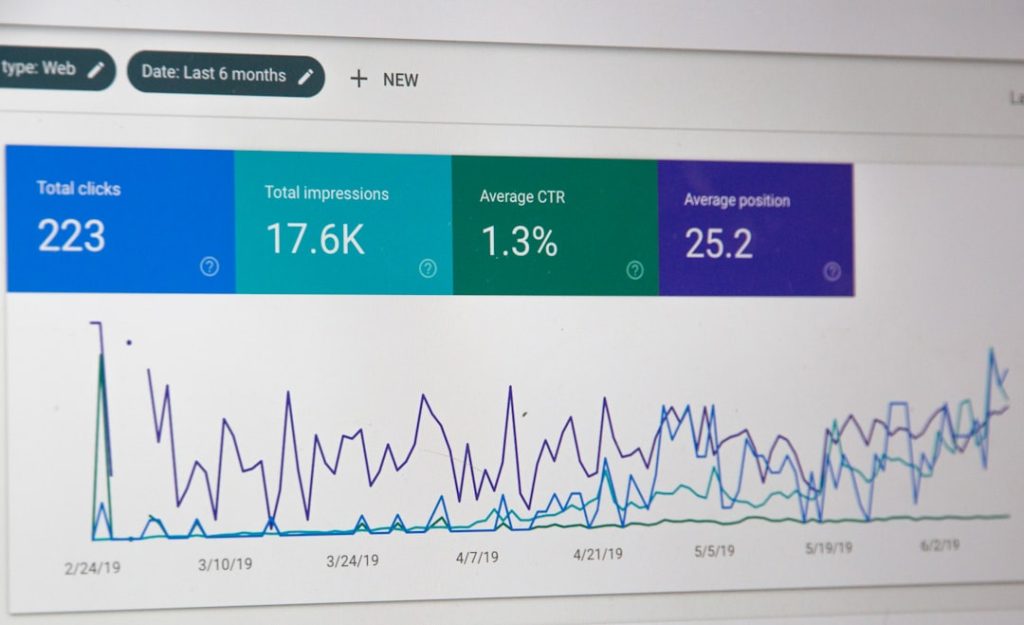
In today’s fast-paced digital landscape, SEO audit with AI tools: how to analyze your website in minutes has become essential for businesses that want to stay competitive online. Traditional manual SEO audits can take weeks of expert time and resources, but modern AI-powered solutions now enable you to conduct comprehensive website analysis in mere minutes. Whether you’re managing a small blog or overseeing a large enterprise site, understanding how to leverage AI for SEO audits can transform your optimization strategy and accelerate your growth significantly.
Why Traditional SEO Audits Are Slowing Down Your Growth
Manual SEO audits require significant time investment from skilled professionals who must crawl your website, analyze hundreds of data points, and compile findings into actionable reports. This process typically takes days or weeks, during which your site’s ranking opportunities continue to slip away to competitors who move faster.
The traditional approach means hiring expensive consultants or dedicating in-house resources to repetitive tasks that could be automated. Teams often end up spending more time gathering data than actually implementing improvements that drive traffic and conversions. Local Seo For Small Businesses: How To Get Found By Nearby Customers On Google
Without a proper audit framework, you might completely miss critical technical issues, hidden content gaps, or toxic backlinks that are actively harming your search rankings. Many businesses don’t realize how far behind they’ve fallen until a competitor analysis reveals years of optimization opportunities they’ve overlooked. Social Media Strategy For Small Businesses: A Step-By-Step Guide From Scratch
The Time Investment Problem with Manual SEO Analysis
A comprehensive manual SEO audit can demand 40-80 hours of specialized labor for websites with more than 1,000 pages. This includes crawling, competitive analysis, backlink review, content evaluation, and report generation—each step performed by hand.
During this extended analysis period, algorithm updates may occur, competitors may launch new content, and ranking opportunities disappear. The longer your audit takes to complete, the less relevant your findings become by the time you’re ready to implement them.
How AI-Powered Audits Save You Weeks of Work
AI-powered SEO audit tools complete the same analysis in 5-15 minutes that traditionally takes weeks. These systems use machine learning algorithms to simultaneously crawl your site, analyze backlinks, evaluate content quality, and identify technical issues across thousands of pages.
By automating data collection and analysis, AI tools let your team focus on strategy and implementation rather than manual fact-finding. You can run audits weekly or even daily without additional labor costs, enabling continuous optimization instead of quarterly reviews.
What You’re Missing Without a Proper Audit Framework
Companies without systematic audit processes often miss subtle ranking factors that accumulate into significant traffic loss over time. Hidden crawl errors, poor mobile responsiveness, thin content, and slow Core Web Vitals might not trigger immediate ranking drops but create a death by a thousand cuts.
The absence of regular audits means you’re flying blind regarding your competitive position and emerging keyword opportunities. You’ll spend marketing budget on channels that don’t align with your actual SEO strengths and weaknesses.
Best AI Tools for SEO Audits: Features Comparison
The market now offers numerous AI SEO audit platforms, each with distinct capabilities, pricing models, and ideal use cases. Understanding the landscape helps you select the right tool for your business size, budget, and optimization goals.

Leading platforms range from free basic audits to enterprise solutions with advanced features like API access, white-label reporting, and dedicated account management. The best choice depends on your website size, technical expertise, and how frequently you need to audit.
Top-Rated AI SEO Audit Platforms Compared
Professional platforms like Semrush, Ahrefs, Moz, and SE Ranking offer comprehensive automated SEO analysis with varying strengths. Semrush excels at competitive intelligence and keyword research integration, while Ahrefs dominates backlink analysis and content gap identification.
Screaming Frog and DeepCrawl focus specifically on technical SEO and site structure optimization, making them ideal for developers and technical teams. Meanwhile, newer AI-native platforms leverage advanced machine learning to provide predictive insights about ranking potential and traffic impact.
Feature Breakdown: Crawling, Analysis, and Reporting Capabilities
Modern audit tools crawl websites at speeds of 1,000+ pages per minute while simultaneously analyzing on-page factors, technical elements, and user experience metrics. Real-time analysis means insights appear as crawling progresses rather than waiting for full completion.
- Site crawling identifies broken links, redirect chains, duplicate content, and crawl errors
- On-page analysis evaluates meta tags, heading structure, keyword placement, and content quality
- Technical audits assess page speed, mobile responsiveness, SSL implementation, and Core Web Vitals
- Backlink evaluation detects toxic links and identifies high-quality link opportunities
- Content gap analysis reveals keywords competitors rank for that you’re missing
- Automated reporting generates executive summaries and detailed technical findings
These platforms integrate findings into visual dashboards that prioritize issues by impact on rankings and traffic. Most provide customizable reports that can be automatically sent to stakeholders on scheduled intervals.
Pricing Models and ROI for Different Business Sizes
Free audit tools offer basic functionality sufficient for small sites under 500 pages but lack depth for serious optimization. Freemium tools typically allow one audit per month with limited metrics.
Small business plans ($100-300/month) accommodate up to 50,000 pages with monthly audits, making them ideal for local businesses and small e-commerce sites. Mid-market plans ($500-2,000/month) include daily audits, competitive benchmarking, and advanced reporting for agencies and larger brands.
Enterprise solutions ($3,000+/month) provide unlimited audits, API access, white-label options, and dedicated support for companies managing multiple large websites or serving hundreds of clients. The ROI typically exceeds costs within 2-3 months through improved rankings and organic traffic.
How to Run Your First AI-Powered SEO Audit in Under 10 Minutes
Running your initial AI SEO audit is straightforward when you follow a systematic approach. The process requires minimal technical knowledge and produces immediately actionable insights that your team can begin implementing today.

Here’s exactly how to conduct a complete website analysis using AI tools, from setup through actionable recommendations.
Step 1: Set Up Your Audit Tool and Configure Site Access
Begin by selecting your AI audit platform and creating an account. Most tools provide step-by-step onboarding wizards that guide you through initial setup.
Enter your website URL and configure basic settings like target country, preferred language, and crawl parameters. For most websites, default settings work perfectly—you only need to customize if you have specific requirements like excluding staging environments or limiting crawl depth.
Verify site ownership through DNS record, HTML file, or Google Search Console connection. This typically takes less than 2 minutes and ensures accurate data in your audit results.
Step 2: Launch the AI Crawler and Let Automation Do the Heavy Lifting
Click “Start Audit” and let the AI crawler analyze your website while you work on other tasks. Modern platforms crawl thousands of pages simultaneously, discovering technical issues, content problems, and optimization opportunities in real-time.
The crawling process typically completes within 5-10 minutes for most websites. During this time, AI algorithms are evaluating each page against 100+ ranking factors and identifying the issues most likely impacting your search visibility.
You’ll receive notifications as the audit progresses, and can view preliminary findings in your dashboard immediately. No need to wait for the complete scan to see what’s happening with your site.
Step 3: Review AI-Generated Insights and Prioritized Recommendations
Once crawling completes, examine the prioritized recommendations dashboard that shows issues ranked by potential impact on your rankings. The AI automatically weights findings—critical technical issues appear first, followed by on-page problems, then content opportunities.
Review the executive summary to understand your site’s overall health score and biggest problem categories. Then dive into specific sections relevant to your business goals, whether that’s technical SEO, content optimization, or backlink quality.
- Identify quick wins you can implement today (fixing broken links, adding meta descriptions, optimizing title tags)
- Catalog medium-term improvements requiring content updates or technical work (improving page speed, restructuring content)
- Note strategic initiatives for long-term growth (entering new keyword categories, building topic authority)
Step 4: Export Your Audit Report for Stakeholder Presentation
Generate a professional audit report in PDF or PowerPoint format that clearly communicates findings and priorities to your team or clients. Most platforms offer customizable templates that you can brand with your company logo and colors.
Include the high-level health score, top issue categories, quick wins summary, and implementation roadmap. Executive stakeholders appreciate dashboards showing current state, target improvements, and projected traffic impact of recommended optimizations.
Schedule follow-up audits to measure progress and demonstrate the value of your SEO improvements over time. This creates accountability and justifies continued investment in optimization efforts.
Critical On-Page SEO Issues AI Tools Detect Automatically
On-page SEO optimization forms the foundation of search visibility, and AI tools excel at identifying gaps across your entire website simultaneously. These systems evaluate hundreds of ranking factors that would take a human auditor days to assess manually.
Understanding what AI detects helps you prioritize fixes and implement improvements that directly impact your rankings.
Meta Tag Optimization Gaps and Keyword Placement Problems
AI tools scan every page’s title tag, meta description, and header structure to identify optimization opportunities. The system flags missing meta descriptions, duplicate tags across pages, titles that exceed character limits, and keyword placement that doesn’t match search intent.
Advanced AI also analyzes keyword density and LSI (latent semantic indexing) keywords to ensure your content comprehensively covers topics. It identifies when you’re targeting keywords with high commercial intent but lack clear calls-to-action or conversion elements.
“The difference between a good SEO audit and a great one is the ability to see patterns across your entire site that no single page-level analysis could reveal. AI enables this bird’s-eye view instantly.” — SEO Strategy Expert
The system recommends specific improvements like adding target keywords to underutilized H2 and H3 headers, optimizing meta descriptions for click-through rates, and restructuring title tags to include high-intent modifiers that boost conversions.
Content Quality Signals AI Analyzes Beyond Word Count
Modern AI audit tools go far beyond simple word count metrics, analyzing content quality through multiple dimensions that directly impact rankings. These include content uniqueness, topical depth, keyword relevance, readability, freshness, and semantic coherence.
AI evaluates whether your content comprehensively answers user search intent or if it’s thin, outdated, or missing key information that competitors provide. It identifies content gaps compared to top-ranking competitors and suggests specific subtopics you should cover.
The system also assesses user engagement signals like average time on page, bounce rate, and scroll depth to identify content that’s technically optimized but failing to satisfy visitors. This helps you understand where improvements in quality, structure, or readability are needed.
Internal Linking Structure and Anchor Text Effectiveness
AI crawlers map your entire internal linking structure and evaluate whether anchor text effectively communicates to search engines what linked pages are about. The system identifies orphaned pages with no internal links, over-optimized anchor text that looks manipulative, and missed opportunities to strengthen topical authority.
Advanced analysis shows which pages could benefit from additional internal links, which currently receive disproportionate link equity, and where anchor text should be adjusted for better topical relevance. This helps you distribute page authority strategically to support your ranking goals.
Schema Markup and Structured Data Implementation Gaps
Complete SEO audits with artificial intelligence evaluate which schema markup types your pages implement and where implementations are incorrect or incomplete. AI identifies missing structured data that could enable rich snippets in search results, potentially increasing click-through rates by 20-30%.
The system checks for proper JSON-LD implementation, validates schema markup against Google’s specifications, and recommends additional markup types that your site structure supports. For e-commerce sites, AI evaluates product schema completeness and pricing data accuracy.
Technical SEO Audit Automation: What AI Uncovers Instantly
Technical SEO forms the infrastructure that search engines depend on to crawl, understand, and rank your site. AI-powered tools excel at detecting technical problems that humans would spend hours troubleshooting, and they provide specific remediation steps immediately.
These technical audits reveal issues hiding beneath your site’s surface that silently drain your ranking potential and search traffic.
Site Speed, Core Web Vitals, and Mobile Responsiveness Analysis
AI tools measure page load speed, Core Web Vitals (Largest Contentful Paint, First Input Delay, Cumulative Layout Shift), and mobile rendering to ensure your site meets Google’s performance standards. Slow sites lose rankings and visitors, but many webmasters don’t realize how severely performance impacts their visibility.
The system identifies specific resources slowing your site—unoptimized images, render-blocking JavaScript, inefficient CSS, missing compression, and other technical bottlenecks. It benchmarks your performance against competitors and industry standards.
- Analyze page load speed across different devices and connection speeds
- Identify JavaScript and CSS files causing rendering delays
- Evaluate image optimization and suggest compression techniques
- Test mobile viewport configuration and responsive design effectiveness
- Assess caching strategies and server response time
Crawl Errors, Broken Links, and Indexation Problems Detected Automatically
When your site has crawl errors or broken links, search engines waste crawl budget and fail to properly index important pages. AI crawlers identify 404 errors, redirect chains, soft 404 errors, and unreachable content within minutes.
The system provides a complete broken link report organized by severity and impact. It shows which pages link to broken resources, helping you prioritize fixes that eliminate the most visible user-facing problems first.
Advanced AI also detects indexation issues by comparing your submitted sitemap against actual indexed pages in Google’s index. It identifies pages that should be indexed but aren’t, and those that are indexed but shouldn’t be.
SSL Certificate Validation and Security Audit Findings
AI automatically validates your SSL certificate implementation, checks for mixed content warnings, and identifies security issues that could prevent site indexing or trigger browser warnings. HTTPS is now a ranking factor, and unsecured sites face penalties in Google’s results.
The system verifies that your certificate is valid, not expired, and properly installed on all site variants. It checks for mixed content (some resources loaded via HTTP) that breaks the security chain and creates user trust issues.
XML Sitemap and Robots.txt Optimization Recommendations
Your XML sitemap and robots.txt file are critical signals to search engines about your site structure and crawling preferences. AI tools validate these files for proper syntax, completeness, and strategic optimization.
The system checks whether your sitemap includes all indexable pages, uses proper priority and frequency tags, and doesn’t include pages you want hidden from search. It recommends robots.txt adjustments that optimize crawl efficiency and ensure sensitive pages aren’t accidentally exposed in search results.
Backlink Analysis and Authority Assessment Using AI
Your backlink profile significantly impacts search rankings, but evaluating link quality manually would take weeks of research. AI tools analyze millions of backlinks instantly, identifying your most valuable links, toxic links hurting your authority, and unrealized linking opportunities your competitors have captured.
Automated backlink analysis provides competitive intelligence that would cost thousands in agency fees if done manually.
How AI Evaluates Your Backlink Profile for Quality and Relevance
AI doesn’t treat all backlinks equally—the system evaluates dozens of factors determining whether a link helps or hurts your rankings. These include referring domain authority, topical relevance, anchor text quality, content type, and link placement within source content.
Advanced algorithms identify whether links come from authoritative sites in your industry or low-quality directories. They detect whether anchor text matches your target keywords (natural and helpful) or looks over-optimized and manipulative.
The system also evaluates whether links come from contextually relevant content. A backlink from a high-authority cooking blog to your SEO company adds less value than a link from a digital marketing blog, even if the cooking site has higher domain authority.
Toxic Link Detection and Disavow File Generation
Bad backlinks can actively damage your search rankings, but identifying problematic links requires expertise. AI automatically detects toxic links from spammy domains, low-quality directories, irrelevant sites, and suspicious linking patterns that suggest negative SEO attacks.
The system generates a disavow file ready to submit to Google Search Console, immediately protecting your site from penalty risk. It uses conservative thresholds to avoid accidentally disavowing legitimate links, ensuring you’re only blocking genuinely problematic backlinks.
Competitor Backlink Opportunities AI Identifies for You
By analyzing competitor backlink profiles, AI identifies high-quality sites linking to them that could also link to you. These are proven linking opportunities from sites that have already shown interest in your industry and competitive landscape.
The system prioritizes opportunities based on relevance, authority, and accessibility. It identifies which competitor sites have multiple backlinks from the same high-quality sources, indicating those sources are actively interested in your niche.
Domain Authority Trends and Growth Trajectory Analysis
AI tracks your domain authority (DA) over time and projects future growth based on linking patterns. It shows whether you’re accumulating high-quality links that will strengthen your position or if your authority is stagnating while competitors grow stronger.
This forward-looking analysis helps you understand whether your current link-building strategy is working or needs adjustment. It benchmarks your authority growth against competitors, showing where you’re winning and where you’re falling behind in the authority race.
Content Gap Analysis: Finding Keywords Your Competitors Own
Your competitors are ranking for keywords and attracting traffic that could be yours, but identifying these opportunities manually requires checking hundreds or thousands of keywords. AI-powered SEO analysis tools instantly reveal content gaps and keyword opportunities you’re missing.
Strategic content gap analysis transforms from a theoretical exercise into a concrete roadmap for new content that will attract qualified traffic.
AI-Driven Keyword Clustering and Content Opportunity Mapping
Rather than treating every keyword individually, advanced AI groups related keywords into content clusters representing distinct user intents and topics. This reveals not just individual keywords you’re missing, but entire content themes where you have no presence.
The system identifies which keyword clusters have the highest search volume, lowest competition, and best conversion potential. It then maps how to structure content to comprehensively cover related keywords within single pages or content series.
Competitive Content Analysis: What Topics You’re Missing
AI analyzes the top 10 ranking competitors for your target keywords and identifies content topics they cover that you don’t. If three competitors rank for a high-value keyword you’re not targeting, AI flags this as a gap worth filling.
The system prioritizes these gaps by commercial value and feasibility. It focuses your attention on high-impact opportunities rather than forcing you to create content for every missing topic.
- Identify topical clusters where competitors dominate but you have minimal presence
- Find long-tail keyword opportunities with lower competition and strong intent signals
- Discover emerging topics gaining search volume that competitors haven’t fully captured yet
- Locate audience questions competitors answer that your content ignores
Semantic Relevance Scoring and Topical Authority Assessment
Building topical authority—establishing your site as a comprehensive resource for entire subject areas—requires AI to analyze semantic connections between your content pieces. The system evaluates whether your existing content comprehensively covers topical subtopics or has gaps.
AI scores your topical authority against competitors, showing which topics you dominate and where you’re weak. This guides your content strategy toward strengthening areas where you already have some presence rather than randomly pursuing any keyword with search volume.
Content Performance Predictions Based on AI Analysis
Advanced AI models predict which new content will perform best based on topic difficulty, competitive landscape, search volume, and your current authority. Rather than guessing which content will succeed, you know before investing resources.
The system estimates traffic potential, ranking difficulty, and timeline to achieve top positions. This helps you prioritize content production toward opportunities offering the best return on time investment.
Actionable SEO Audit Results: From Data to Implementation
An SEO audit with artificial intelligence only creates value if findings actually get implemented. The most comprehensive audit is worthless if recommendations languish in a report nobody reads or acts upon.
Converting audit insights into concrete improvements requires structured prioritization and disciplined implementation.
How to Prioritize AI-Generated Recommendations by Impact and Effort
AI tools surface hundreds of potential improvements, but you can’t implement everything simultaneously. The solution is prioritizing based on a two-dimensional matrix: impact on rankings and traffic (vertical axis) versus implementation effort and cost (horizontal axis).
Quick wins (high impact, low effort) should be addressed first—fixing broken links, adding missing meta descriptions, optimizing title tags. These take hours or days but move the needle immediately.
Major projects (high impact, high effort) like site restructuring, comprehensive content rewrites, or significant technical infrastructure improvements come next. These require more resources but deliver enormous results.
Nice-to-haves (low impact, low effort) should be handled opportunistically, whenever you’re working on related areas. These aren’t worth prioritizing independently but shouldn’t be ignored entirely.
Energy drains (low impact, high effort) should be deprioritized or deprioritized unless they become necessary for other reasons. Pursuing these wastes resources that could deliver better results elsewhere.
Creating an SEO Roadmap from Audit Findings
Transform your audit results into a structured SEO roadmap showing what gets done when. Organize improvements across quarters or months based on dependencies and resource availability.
Month 1 might focus on quick technical wins and critical content fixes. Month 2 could tackle on-page optimization across priority pages. Month 3 might begin larger projects like new content creation and structural improvements.
Share this roadmap with stakeholders so everyone understands the path forward and why specific tasks are prioritized. Clear communication about the 3-6 month journey builds alignment and prevents scope creep.
Tracking Improvements and Measuring Audit Impact Over Time
Establish baseline metrics from your audit report, then track progress monthly. Most AI audit tools generate automated reports that show whether recommendations have been implemented and what impact they’re having.
Monitor rankings for target keywords, organic traffic from search, and conversion metrics. Within 2-3 months of implementing major recommendations, you should see measurable improvements that justify continued investment.
Building a Continuous Audit Schedule with AI Tools
Don’t let your audit become a one-time event. Schedule regular audits—monthly for large sites, quarterly for medium sites—to identify new issues and track improvement progress.
Automation enables this continuous approach without excessive labor. Your team focuses on implementation while AI handles detection and analysis automatically.
Common SEO Audit Mistakes and How AI Helps You Avoid Them
Many teams squander audit results by focusing on the wrong metrics, missing critical issues, or failing to connect SEO improvements to business goals. Understanding these pitfalls helps you extract maximum value from your automated SEO audits.
Over-Relying on Vanity Metrics Instead of Business-Impacting KPIs
Ranking position feels important but means nothing if it doesn’t drive traffic or conversions. Teams often celebrate moving from position 5 to position 3 while ignoring that this position change drove minimal traffic.
AI audit tools help by focusing on business metrics—organic traffic, conversion rate, customer acquisition cost, and revenue per visitor. These metrics matter far more than vanity numbers.
Ensure your audit priorities align with business goals. For e-commerce, prioritize keywords indicating purchase intent. For SaaS, focus on keywords suggesting active problem-solving and vendor research.
Missing Hidden Technical Issues That AI Catches Automatically
Manual auditors often miss subtle technical problems that don’t trigger obvious errors but silently damage rankings. Examples include partial mobile responsiveness issues, intermittent server errors affecting only specific geographic regions, or indexation problems affecting only certain content types.
AI tools with comprehensive crawling and monitoring catch these hidden issues because they test every scenario and variation. Your manual audit might have checked mobile responsiveness once and missed that specific page templates fail on certain devices.
Ignoring User Experience Signals That Affect Rankings
Google increasingly weighs user experience signals like Core Web Vitals, mobile friendliness, and intuitive site structure. Audit reports that ignore these signals in favor of old-school metrics miss critical ranking factors.
Modern AI audits evaluate whether your site provides positive user experiences across devices and connection speeds. They identify friction points that harm both user satisfaction and search visibility simultaneously.
Failing to Align SEO Improvements With Conversion Goals
Optimizing traffic without optimizing conversion rate is leaving money on the table. You might drive thousands of additional visitors that don’t convert because your pages fail to address buyer concerns or have weak calls-to-action.
Comprehensive AI audits connect SEO improvements to conversion optimization. They identify high-traffic keywords attracting poor-fit visitors versus keywords bringing quality traffic more likely to convert.
This prevents investing heavily in keywords that generate volume but not valuable customers.
AI SEO Audit Tools: Free vs. Paid Options and Hidden Capabilities
Budget constraints mean many teams default to free audit tools, but understanding what paid platforms offer helps you make smarter investment decisions. Sometimes paid tools deliver ROI within weeks through insights that free options miss entirely.
Free AI Tools: Limitations and Best Use Cases
Free audit tools like Google’s PageSpeed Insights, Mobile-Friendly Test, and Search Console provide basic auditing for zero cost. These are useful for quick checks on specific pages but lack the comprehensive analysis of professional platforms.
Free tools typically limit crawl depth, check fewer ranking factors, and provide less detailed reporting. They work well for small sites with under 100 pages or as supplementary tools alongside paid platforms.
Best use cases for free tools include initial website health checks, monitoring specific technical issues you’ve already identified, and testing individual page optimizations before deploying site-wide.
Enterprise-Grade Platforms: Advanced Features Worth the Investment
Professional AI SEO audit platforms ($500-3,000+/month) offer capabilities free tools can’t match: unlimited crawls, competitive benchmarking, backlink analysis, content gap identification, and predictive ranking models.
These platforms typically include API access, custom integrations with your marketing stack, white-label reporting for agencies, and dedicated support. For teams managing multiple sites or running an agency, these features justify their cost through time savings and improved results.
| Feature | Free Tools | Mid-Tier ($100-500/mo) | Enterprise ($500+/mo) |
|---|---|---|---|
| Pages Crawled Per Month | Up to 100 | 10,000-100,000 | Unlimited |
| Ranking Factors Analyzed | 15-30 | 60-100 | 150+ |
| Backlink Database | Limited/None | Yes (may lag) | Real-time, extensive |
| Competitor Analysis | None | Basic | Advanced |
| API Access | No | Some plans | Yes |
| Automated Reporting | Limited | Yes | Custom & White-label |
| Crawl Frequency | One-time only | Monthly | Weekly/Daily/Continuous |
Integration Capabilities With Your Existing SEO Stack
The best audit tool integrates seamlessly with your other SEO and marketing platforms. Look for tools that connect with Google Search Console, Google Analytics, CMS platforms, and marketing automation software.
Native integrations eliminate manual data transfer and keep insights synchronized across systems. They enable automated workflows where audit findings automatically trigger updates in your project management or content calendar tools.
Automation Features That Save Time Across Multiple Audits
Advanced platforms automate the entire audit lifecycle: scheduled crawling, anomaly detection, alert generation, and report distribution. You don’t need to manually initiate audits or dig through data—insights come to you automatically.
Some tools use machine learning to learn which findings matter most to your business and prioritize those automatically. This saves your team from drowning in hundreds of findings and focuses attention on what actually impacts your goals.
Transform Your SEO Strategy with AI-Powered Insights Today
Understanding the value of AI-driven audits intellectually is different from experiencing the transformation they create. The most successful teams implement this immediately rather than waiting for theoretical perfect conditions.
Your first audit will reveal optimization opportunities worth thousands in organic traffic that you can capture within weeks of implementation.
Quick Wins From Your First Audit You Can Implement Immediately
Every audit identifies quick wins—improvements taking hours or days to implement but delivering measurable results. These low-hanging fruit include:
- Adding missing meta descriptions to pages that lack them
- Fixing broken internal links and 404 redirects
- Optimizing title tags for better click-through rates
- Adding h1 tags to pages missing proper heading structure
- Compressing images and removing unnecessary assets
- Implementing missing schema markup for product data and reviews
- Fixing mobile usability issues on priority pages
Addressing these within 48 hours of your audit demonstrates momentum and builds internal support for larger SEO initiatives. Quick wins show that SEO audits lead to action, not just reports gathering dust.
Building a Sustainable SEO Improvement Process With AI Tools
Transform SEO auditing from a periodic event into a continuous process. Monthly audits with AI tools cost negligible additional resources but catch problems faster and demonstrate consistent progress.
Establish clear ownership: who reviews audit findings, who prioritizes recommendations, who implements changes, and who tracks results. Without clear accountability, audits create insights that nobody acts on.
Build SEO improvement into sprint cycles and quarterly planning. Allocate 10-20% of engineering and content resources to SEO initiatives identified by audits. This ensures steady progress rather than sporadic effort when someone remembers SEO exists.
Getting Your Team Aligned on Audit Priorities and Next Steps
Share audit findings across your team through presentations, reports, and visualization dashboards. Different stakeholders care about different aspects—engineering cares about technical issues, content teams care about content gaps, and leadership cares about traffic impact.
Present findings in business terms: “These improvements will drive 10,000 additional monthly organic visitors worth $30,000 in customer acquisition value.” This frames SEO as a business investment rather than a technical obligation.
When to Run Follow-Up Audits and Measure Progress
Initial audits should be followed by monthly audits for 3-6 months to track implementation and verify improvements are producing expected results. Then transition to quarterly audits for mature, stable sites with excellent fundamentals.
Massive sites or highly competitive industries might justify weekly automated audits to catch issues quickly. Most sites do fine with monthly audits that catch problems within 30 days.
Compare each audit report to previous reports to see trending improvements or emerging issues. This longitudinal view matters more than any individual audit’s findings.
Frequently Asked Questions About AI SEO Audits
How Accurate Are AI SEO Audit Tools Compared to Manual Analysis?
Modern AI tools are significantly more accurate than manual analysis because they check every page consistently and never miss items due to fatigue or oversight. An auditor might miss 10-15% of actual issues through human error, while AI catches virtually everything.
The data AI works with is comprehensive and objective. However, AI sometimes needs human interpretation to understand context—whether a particular link profile indicates a ranking advantage or penalty requires understanding your industry and competitive landscape.
The best approach combines AI accuracy with human expertise. Let AI detect issues comprehensively, then have experienced professionals prioritize findings based on strategic business goals.
Can AI Audits Replace Hiring an SEO Consultant Entirely?
AI audits excel at detection and analysis but lack strategic thinking about your business goals, competitive positioning, and long-term growth. They’ll tell you every technical problem but not whether those problems matter for your specific business.
For small sites with straightforward optimization needs, AI audits might be sufficient with limited guidance. For complex sites or competitive industries, AI audits are a tool that experienced consultants use rather than a replacement for strategy.
Think of AI audits as replacing the “data gathering and problem identification” part of consulting, which previously took 50% of a consultant’s time. This frees good consultants to focus on strategy, prioritization, and implementation guidance where their expertise adds most value.
What’s the Learning Curve for Using Professional AI Audit Platforms?
Most professional AI audit tools have minimal learning curves because dashboards use intuitive visualizations and standard terminology. Basic functionality—launching an audit and reviewing results—typically takes 10-15 minutes to master.
Advanced features like custom crawl configurations, API integration, and building automated workflows take more time to learn. Most platforms offer extensive documentation, video tutorials, and support to accelerate learning.
Plan to spend 2-3 hours total learning a new platform thoroughly. This investment pays back quickly through improved audit quality and faster analysis cycles.
How Often Should I Run SEO Audits With AI Tools for Ongoing Optimization?
For most sites, monthly audits provide optimal balance between staying current with issues and avoiding audit fatigue. Monthly cycles give you time to implement changes and measure impact before the next audit.
Fast-moving sites like news publishers or e-commerce platforms with weekly content updates might benefit from weekly audits. Stable sites with minimal changes might do fine with quarterly audits.
The frequency depends on how quickly your site changes and how competitive your industry is. More frequent audits help you catch problems faster but require more implementation capacity to act on findings.
Consider running initial weekly audits for the first month to get ahead of accumulated issues, then transition to a sustainable monthly or quarterly rhythm once fundamentals are solid.
Implementing an SEO audit with AI tools: how to analyze your website in minutes is one of the highest-ROI investments modern businesses can make in their digital presence. By automating tedious analysis work, you free your team to focus on strategic implementation that directly drives traffic and revenue.
The competitive advantage goes to teams that iterate fastest—and AI-powered audits dramatically accelerate iteration cycles. Rather than waiting weeks for consultant reports, you get comprehensive insights in minutes and can begin implementation immediately.
Start with a single audit today using whichever platform fits your budget and site size. You’ll likely discover optimization opportunities worth thousands in recovered organic traffic. Those quick wins fund larger initiatives, creating a virtuous cycle of continuous improvement.
Whether you’re a small business owner managing your own site or an agency serving multiple clients, AI-powered auditing is now a required tool in the modern SEO toolkit. The teams not using AI tools for audits are already falling behind—those who do are capturing disproportionate organic traffic and customer acquisition.
Don’t let another month pass without understanding exactly what’s holding your search visibility back. The insights are minutes away. Powered by RankFlow AI — aiboostedbusiness.eu
Source: Wikipedia — Seo Audit With Ai Tools: How To Analyze Your Website In Minutes